Yup. It’s a Browser. It Browses.
You can almost just forget about the AI part of most AI browsers

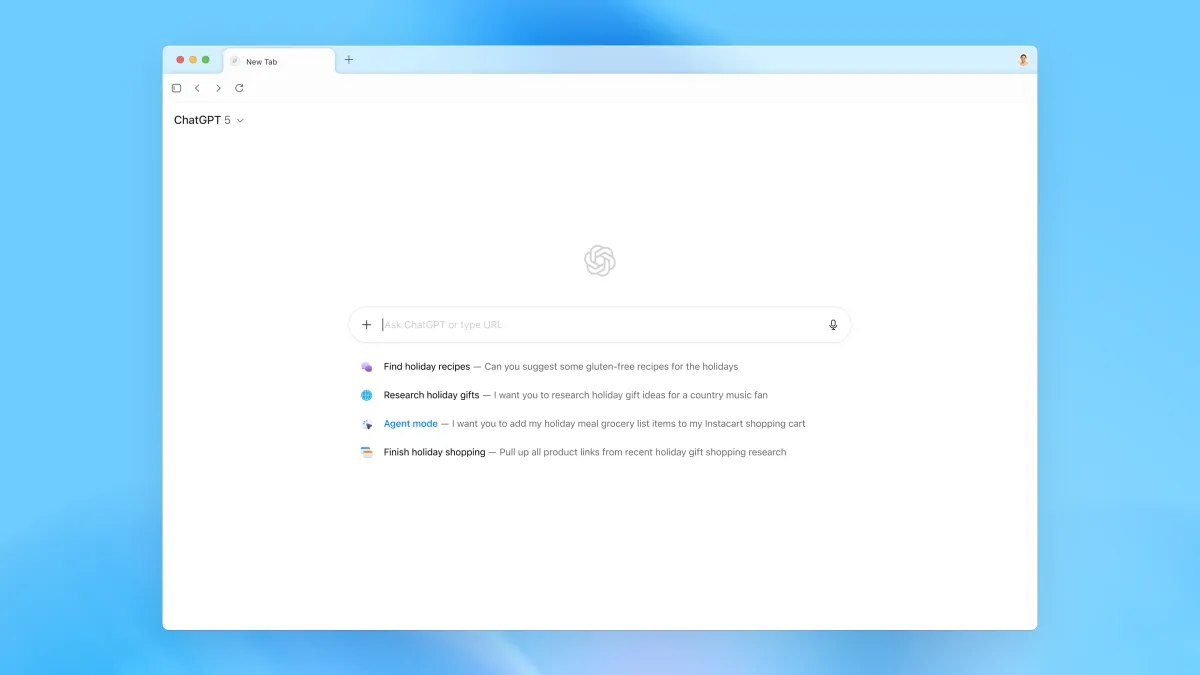
You could look at this thesis one of two ways: an AI browser should be just as good as a legacy browser and that, if these AI browsers are at least nailing the core product—a web browser—then we’re golden, right? The other way you could look at it is that the AI features bring little to no value to the actual browser experience.
Personally, I’m more of the former opinion, but that’s not to say I don’t constantly think about the latter (after all, I’m writing this post about this dichotomy). I think that there is some benefit to having the AI natively pulling in the context of the pages you’re querying it with. The less time you have to spend copying and pasting things into context, the easier it is to use these models generally.
While I believe this is true, I think there are other places where “it’s ‘x’ thing with an AI sidebar” has been working better. Cursor is honestly an amazing case study in harnessing the power of these agentic models. In the beginning, this stuff wasn’t that useful—simply just having an LLM in the sidebar is rather useless, but in the past few years the technology has progressed so much. Agentic models aren’t just LLMs, they’re a lot of different things all at once, being able to make tool calls, reach out MCP servers, and do all kind of integrated stuff that makes them incredibly useful.
I don’t believe that the AI browser has hit that stride quite yet. I think that there’s going to be something much more interesting when using AI in the browser that we just haven’t gotten to yet. There’s a lot of power in your search bar in your browser having access not only to a search engine, but all of your tools. Being able to tap into Notion, Google Workspace, Figma, Linear, and so many other tools right there makes those disparate tools instantly integrated.
This integration doesn’t even have to be limited to AI either. One of my favorite usability things about Epic, the company I work for (and the application we build) is that we’ve taken all of our disparate applications for things like Cardiology, Lab, Radiology, Surgery, and the like and combined it—quite literally—into a web browser known as Hyperdrive.
The benefit this brings is that we can effectively blur the lines between all of the applications; you’re not just doing your Cardiology workflows in a bespoke Cupid application and you’re not prepping a person for surgery across 4 different apps like their chart, your supply management system, anesthesia devices, and various patient monitors. Those separations are gone.
Now imagine how powerful that is once you step outside just the applications we built in, you can also tie in other applications that will use various tools to actually be able to jump right into them from Epic (it’s just a browser, after all).
Now extrapolate that further; all of those usability gains, tearing down all of the context switching, all of that. Imagine no longer thinking about what app you need to open up to make things work. Imagine just being able to type in the name of the Figma project you’re working on and it just opens in Figma right there for you. This doesn’t even require AI, but with the big push towards integration with AI browsers, we could sneak some non-AI features in there too.
Overall I’m excited about the future of these tools because I see right now how it can and should work. I think it could be something amazing and I’m super excited to see how it plays out in the coming years.